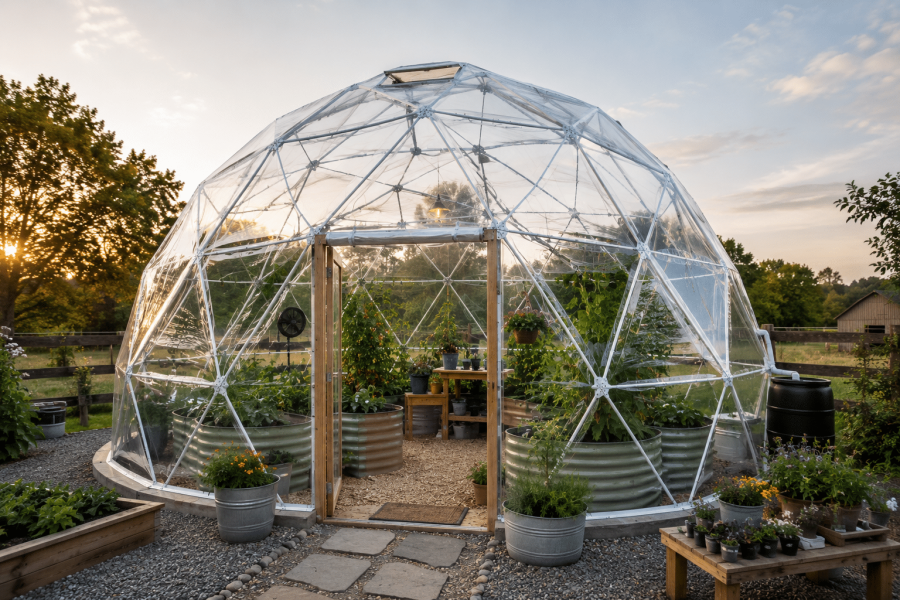
A Geodesic dome greenhouse is more than just a place to grow plants. It is an investment in year-round cultivation, energy efficiency, sustainability, and long-term durability. Whether you are a homeowner looking to extend your growing season, a commercial grower seeking a controlled environment, or a homesteader building a self-sufficient property, choosing the right dome greenhouse can significantly impact your success.Not all dome greenhouses are created equal. The materials, structural design, climate control systems, and manufacturer support can vary greatly between products. In this guide, you’ll learn the most important features to evaluate before buying a geodesic dome greenhouse, helping you make an informed decision and maximize your return on investment.
What Is a Geodesic Dome Greenhouse?
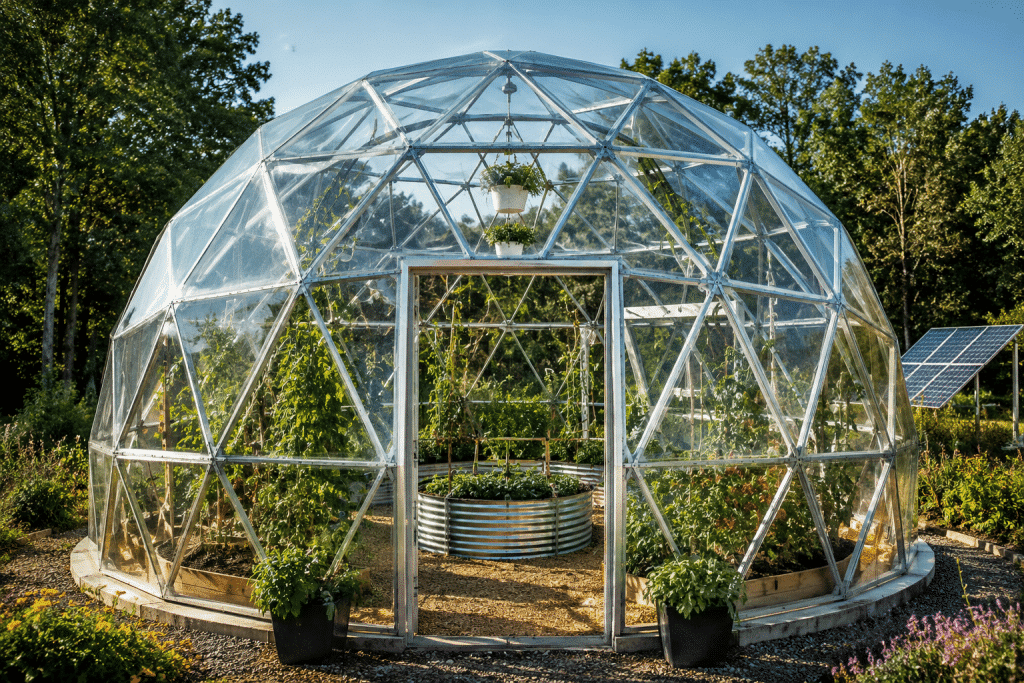
A geodesic dome greenhouse is a greenhouse structure built from interconnected triangular components that form a spherical or semi-spherical shape. This design was popularized by Buckminster Fuller and is known for its exceptional strength-to-weight ratio, efficient use of materials, and ability to withstand challenging weather conditions. Geodesic domes distribute structural loads evenly across the entire framework, creating a strong and durable enclosure suitable for a wide range of applications, including agriculture and greenhouse growing.
Unlike conventional rectangular greenhouses, geodesic domes offer enhanced airflow, improved light distribution, and superior resistance to wind and snow loads.
Why Choosing the Right Dome Greenhouse Matters
The greenhouse market continues to grow as more people seek local food production and sustainable growing solutions. According to the United States Department of Agriculture (USDA), controlled environment agriculture can help growers improve production efficiency while reducing environmental impacts.
Choosing the right greenhouse affects:
- Crop health and yields
- Energy consumption
- Maintenance costs
- Longevity of the structure
- Year-round growing capabilities
A poorly designed greenhouse may cost less initially but could require frequent repairs, higher heating costs, and reduced productivity over time.
1. Structural Strength and Engineering Quality
The primary reason many growers choose a geodesic dome greenhouse is its structural performance.
Frame Material
The frame is the backbone of your greenhouse. Look for:
- Galvanized steel for corrosion resistance
- Powder-coated steel for additional protection
- Aluminum for lightweight durability
- Engineered structural components designed specifically for dome construction
DomeSpaces uses robust structural systems engineered for long-term performance in various climates. Their dome designs are known for their strength, durability, and ability to withstand demanding environmental conditions.
Wind and Snow Load Ratings
If you live in a region with extreme weather, verify the dome’s engineering specifications.
A well-designed geodesic dome naturally disperses wind loads across its curved surface, reducing pressure points that often affect traditional greenhouse structures.
Engineering Documentation
Always choose a manufacturer that can provide:
- Structural calculations
- Engineering certifications
- Building code compliance documentation
- Load ratings for your specific region
2. Greenhouse Covering Materials
The covering material directly impacts light transmission, insulation, and durability.
Polycarbonate Panels
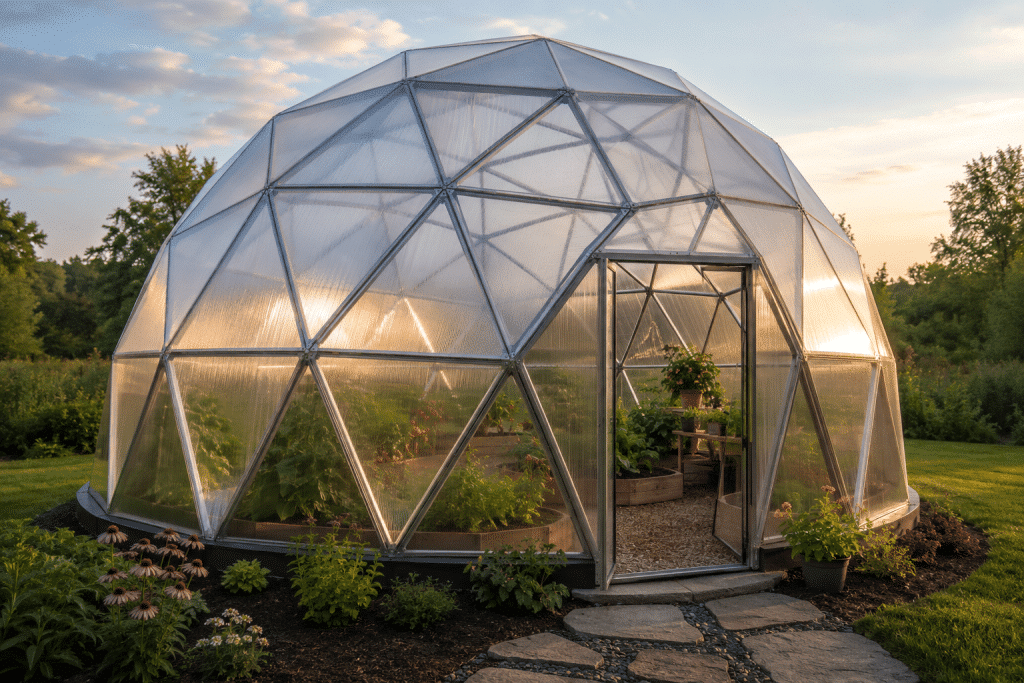
Polycarbonate is one of the most popular greenhouse coverings because it offers:
- Excellent insulation
- High impact resistance
- UV protection
- Long service life
Clear PVC Covers
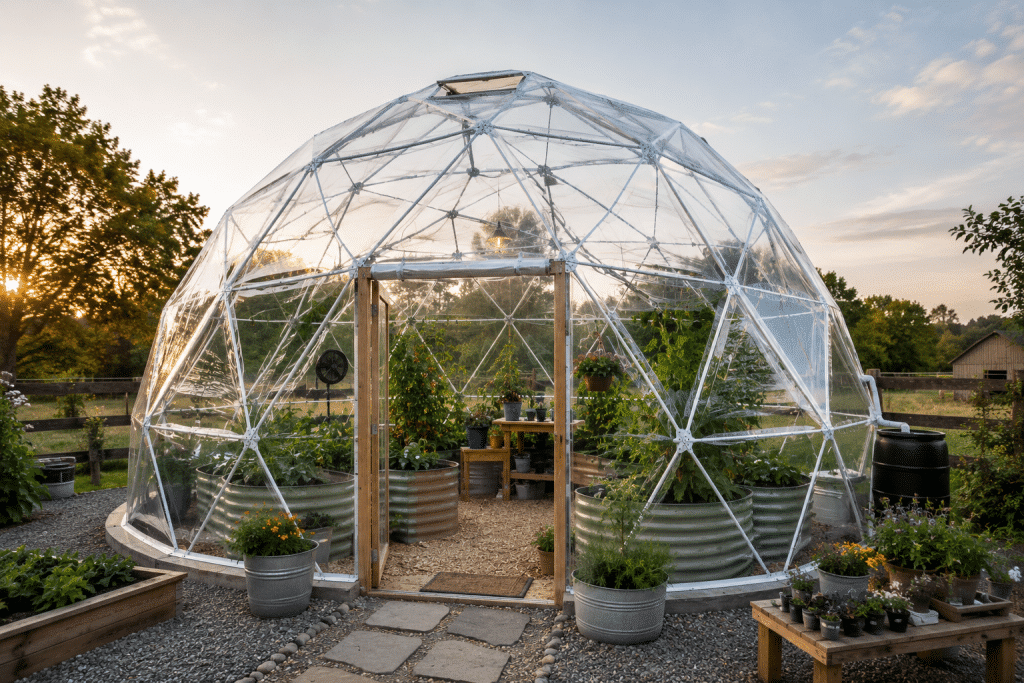
Many growers choose clear PVC dome coverings because they maximize natural sunlight. The CDS Series Dome Greenhouses from DomeSpaces utilize clear PVC materials designed specifically for applications where abundant sunlight is essential.
Glass Greenhouses
Glass provides exceptional visibility and aesthetics but generally comes with higher costs and weight considerations.
For premium projects, Geodesic Glass Domes offer advanced glazing options, including insulated and low-E glass systems.
3. Climate Control Capabilities
A greenhouse must maintain optimal growing conditions throughout the year.
Ventilation Systems
Proper airflow is critical for:
- Preventing fungal diseases
- Regulating humidity
- Maintaining plant health
Look for:
- Roof vents
- Side vents
- Automated ventilation systems
- Circulation fans
Heating and Cooling Compatibility
Depending on your climate, your dome greenhouse should support:
- Electric heating systems
- Solar-assisted heating
- Evaporative cooling
- Automated climate controls
The dome shape naturally promotes air circulation by encouraging warm air to rise and distribute more evenly throughout the interior.
4. Energy Efficiency and Insulation
One of the major benefits of geodesic domes is their energy efficiency.
The U.S. Department of Energy notes that greenhouse energy efficiency is heavily influenced by insulation, air sealing, and solar gain management.
Why Dome Shapes Save Energy
The spherical geometry provides:
- Less surface area per square foot of enclosed space
- Reduced heat loss
- Improved thermal retention
- More efficient airflow patterns
These characteristics can help reduce heating costs during colder months.
5. Size and Growing Space Requirements
Before purchasing, clearly define your goals.
Small Greenhouses
Ideal for:
- Backyard gardening
- Family food production
- Seed starting
Medium-Sized Structures
Suitable for:
- Market gardeners
- Hobby farms
- Educational facilities
Commercial Greenhouses
Designed for:
- Large-scale crop production
- Nurseries
- Controlled environment agriculture
If expansion may be needed in the future, select a manufacturer capable of providing larger or custom dome solutions.
6. Foundation and Anchoring Systems
Even the strongest dome requires a solid foundation.
Foundation Options
Common choices include:
- Concrete slabs
- Concrete ring foundations
- Gravel foundations
- Raised growing systems
Site Selection
Choose a location with:
- Maximum sunlight exposure
- Proper drainage
- Easy access to utilities
- Room for future expansion
Proper anchoring is especially important in regions exposed to strong winds.
7. Natural Light Performance
Light is one of the most valuable resources in any greenhouse.
Benefits of Dome Geometry
Unlike traditional structures that may create shadow zones, geodesic domes allow sunlight to enter from multiple angles throughout the day.
This can create:
- More uniform plant growth
- Better light penetration
- Increased photosynthetic efficiency
The curved surface helps maximize daylight exposure during different seasons.
8. Accessibility and Interior Layout
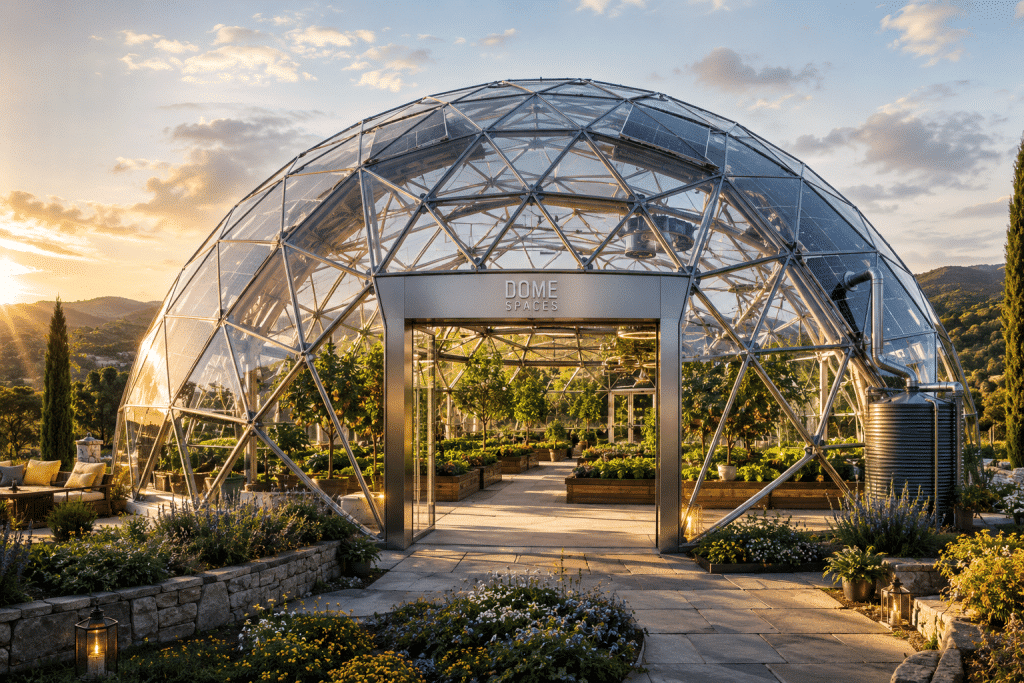
A greenhouse should be functional, not just visually appealing.
Consider:
- Door width for equipment access
- Raised bed layouts
- Hydroponic installations
- Vertical growing systems
- Walkway spacing
A well-designed layout improves workflow and plant maintenance efficiency.
9. Durability and Maintenance Requirements
The best greenhouse is one that performs reliably for years.
Key Questions to Ask
- How long will the cover material last?
- Is the frame corrosion resistant?
- Are replacement components available?
- What maintenance is required annually?
Quality materials typically result in lower ownership costs over time.
10. Customization and Future Upgrades
As your growing operation evolves, your greenhouse should evolve with it.
Valuable Upgrades Include
- Automated irrigation systems
- Environmental monitoring sensors
- Supplemental grow lighting
- Solar integration
- Rainwater collection systems
Many growers find these upgrades improve productivity while reducing labor requirements.
11. Warranty and Manufacturer Support
Manufacturer support can make a significant difference throughout the life of your greenhouse.
Choose a company that offers:
- Product warranties
- Technical support
- Installation guidance
- Replacement parts availability
An established dome manufacturer with extensive experience can help ensure long-term success.
Common Mistakes to Avoid When Buying a Geodesic Dome Greenhouse
- Choosing Based on Price Alone
The cheapest greenhouse may save money upfront, but it can lead to higher maintenance, repair, and replacement costs over time. Focus on overall value, including durability, energy efficiency, and structural quality.
- Ignoring Local Climate Conditions
A greenhouse should be designed to handle the weather conditions in your region, including wind, snow, heat, and humidity. Always check engineering specifications and load ratings before purchasing.
- Overlooking Ventilation and Climate Control
Proper airflow is essential for regulating temperature, humidity, and plant health. Without adequate ventilation, your greenhouse can become prone to overheating, mold, and plant diseases.
- Underestimating Future Growing Needs
Many greenhouse owners quickly expand beyond their original gardening plans. Choosing a structure with additional growing space can help accommodate future crops, equipment, or growing systems.
- Neglecting Foundation and Site Planning
A strong foundation and well-chosen location are critical for long-term performance. Poor drainage, uneven ground, or insufficient sunlight can negatively affect both the structure and plant growth.
- Failing to Research the Manufacturer
Not all greenhouse dome manufacturers offer the same level of engineering, materials, or support. Look for a company with proven experience, quality warranties, and a portfolio of successful projects.
- Prioritizing Aesthetics Over Functionality
A visually appealing greenhouse should also meet your practical growing requirements. Features such as durability, light transmission, and climate control will have a greater impact on long-term success.
Grow Smarter With the Right Geodesic Dome Greenhouse
A geodesic dome greenhouse can provide an efficient, durable, and visually striking solution for year-round growing. However, the quality of the structure, materials, and engineering will determine how well it performs over time.
At DomeSpaces, we offer a range of dome solutions designed for gardening, commercial agriculture, and sustainable growing projects. From our CDS Series Greenhouse Domes to custom-engineered dome structures, we help growers create environments that maximize productivity and withstand the elements.
Ready to find the right greenhouse dome for your project? Contact the DomeSpaces team today to discuss your goals and receive a customized recommendation.
Writer : Neha Verna