
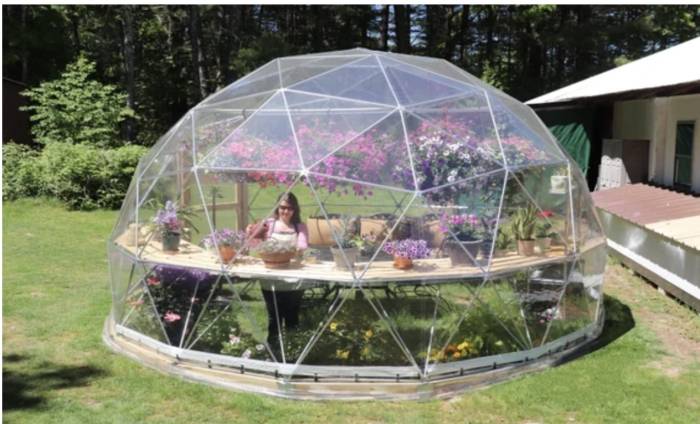
In a world facing rising temperatures, rapid urbanization, and increasing pressure on natural resources, sustainable architecture is no longer optional. It is essential. At the center of this shift is an innovative structure that blends ecology, engineering, and intelligent design: the biodome.
But what is a biodome, and why are biodomes being positioned as a solution for the future of sustainable architecture?A biodome is an enclosed, controlled environment designed to replicate natural ecosystems within a structurally efficient dome framework. Unlike conventional buildings, biodomes are built to regulate climate, optimize energy use, and create self-supporting ecological systems inside a protective structure. This concept is closely related to the idea of a biosphere dome, where environmental conditions such as temperature, humidity, and air circulation are carefully managed to sustain plant and sometimes animal life.
Today, biodomes are used in multiple applications, from large-scale research environments to biodome greenhouse systems for agriculture, and even residential and hospitality projects focused on sustainability. As environmental challenges intensify, the biodome is evolving from an experimental concept into a viable architectural model that aligns performance, resilience, and ecological responsibility.In this article, we’ll explore the definition of biodomes, how they work, their environmental and practical benefits, how they differ from traditional buildings and greenhouses, and why this architectural innovation could shape the built environments of tomorrow.
What Is a Biodome? Understanding the Concept
At its core, a biodome is an enclosed, self-contained system engineered to simulate a natural ecosystem. These structures usually consist of a controlled atmosphere that supports plants, animals, and microclimates in ways that mimic real biomes such as rainforests, deserts, or wetlands, regardless of external conditions. Biodomes go beyond being mere buildings. They are engineered environments designed to foster life within a stabilized internal ecosystem.
In architectural terms, modern biodomes often involve lightweight yet strong geometric frameworks, commonly geodesic or spherical shapes, which naturally distribute stress, maximize interior volume, and reduce surface area exposed to external environmental factors. This shape plays a crucial role in their growing popularity as a sustainable design choice.
The Evolution of Biodomes in Architecture
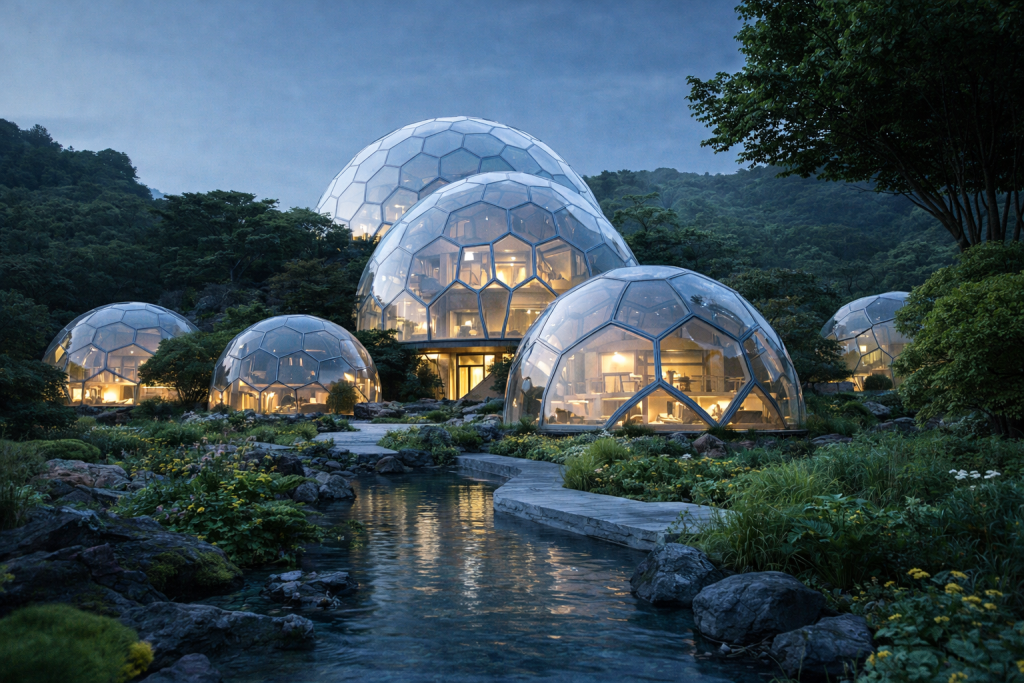
Biodomes are not entirely new. Early concepts borrowed from dome architecture and greenhouse design have evolved significantly over decades. One of the most famous biodome experiments, Biosphere 2 — a large closed system constructed in the 1990s — housed multiple biomes under one roof to study ecological dynamics and sustainability. Researchers continue to study how its ecosystems responded to controlled conditions decades later, providing insights into long-term resilience and environmental control within biodomes.
From experimental science to urban ecotourism, biodomes have become not just research tools but architectural statements. They inspire designers to rethink how built environments can better integrate with natural systems rather than merely occupy them
Biodomes vs. Traditional Architecture: What Makes Them Sustainable?
A key reason biodomes are being championed as sustainable architecture is due to their potential for energy efficiency, resource optimization, and reduced environmental impact.
Energy Efficiency and Climate Resilience
Thanks to their geometric design, biodomes are structurally efficient. The reduced surface area relative to interior volume significantly lowers heat loss or gain, meaning biodiversity domes often require less energy for heating and cooling than conventional buildings. In fact, research indicates that the spherical design of biodomes enables more even air circulation and efficient temperature regulation, sometimes using up to 30% less energy than a comparably sized traditional structure.
This efficiency becomes especially valuable in extreme climates or urban heat islands, where traditional buildings struggle to maintain comfortable internal conditions without heavy energy use.
According to a 2023 UPM study on dome thermal performance, curved structures like biodomes reduce heat transfer by optimizing envelope efficiency compared to prismatic forms.
Resource Optimization and Closed-Loop Systems
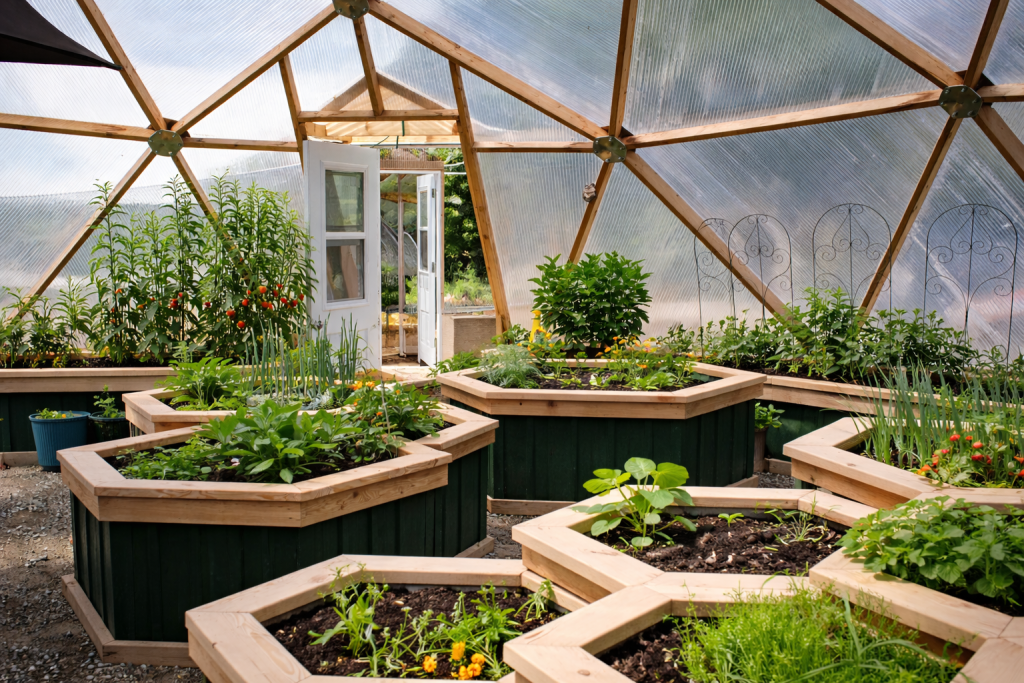
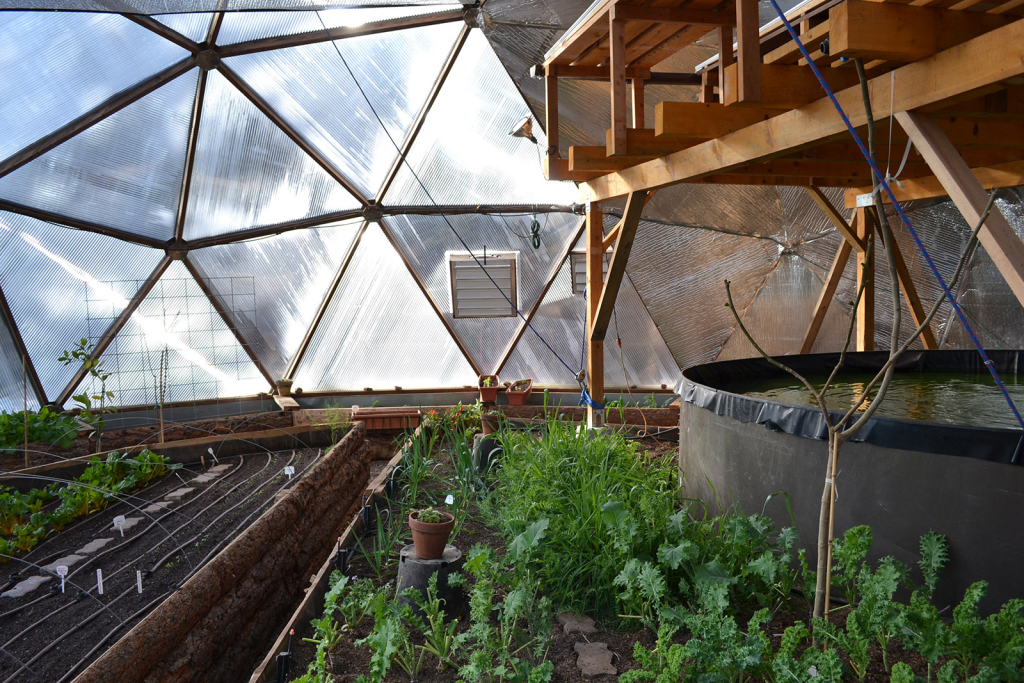
Many biodomes function as closed or semi-closed ecological systems. This means water, air, and even nutrients can be recycled within the structure, drastically reducing external resource inputs and waste outputs. Some biodomes incorporate integrated hydroponics or aquaponics, optimizing crop growth with minimal water usage, a key advantage in regions where water scarcity is a growing concern.
These closed-loop strategies point toward future architectural models that not only house inhabitants but also produce food, clean air, and water sustainably, qualities that traditional buildings seldom provide.
According to Biosphere 2 research in Advances in Space Research (2009), constructed wetlands recycled wastewater at 0.9-1.1 m³/day, supplying irrigation while producing 1210 kg of plant fodder annually.
Biodome Greenhouse: Agriculture with a Sustainable Edge
One of the fastest-growing applications of biodome technology is the biodome greenhouse, an advanced evolution of the traditional greenhouse.
While conventional greenhouses help extend growing seasons, a biodome greenhouse takes this a step further by creating climate-controlled environments optimized for year-round agricultural production and plant growth. The structured enclosure maximizes sunlight capture, while internal environmental control systems stabilize humidity, temperature, and ventilation for ideal plant conditions.
Dome-shaped greenhouses are especially effective in reducing thermal gradients and enhancing airflow, essential factors for healthy plant development. They are gaining traction among farmers and gardeners alike for their ability to improve yields, reduce pesticide use, and make urban agriculture more practical.
For those seeking durable and climate-efficient growing structures, the DomesSpaces Greenhouse Domes offer purpose-built biodome greenhouse solutions designed for sustainable agriculture.
Biodomes in Everyday Architectural Use
Although biodomes may sound futuristic, they’re already influencing how designers approach sustainable living spaces.
Residential and Community Living
Homebuilders and eco-designers are exploring biodome shapes for resilient residential structures thanks to their energy efficiencies and structural strength. For example, dome homes can use less building material while maintaining durability — particularly against high winds, earthquakes, and extreme temperatures.
Hospitality and Ecotourism
In the hospitality sector, biodomes are being used to create immersive environments for guests. Luxury eco-resorts now use dome structures to merge natural experiences with sustainable comfort. These structures often feature panoramic panels and ingenious climate control systems that reduce energy consumption while providing unique guest experiences.
Consider dome models like the Spider Domes for an example of how biodome-inspired domes can elevate hospitality design.
Educational and Research Ecosystems
Biodomes also serve as critical educational and research environments. Facilities built as biosphere domes often allow scientists to monitor interactions between species, climate variables, and ecological processes under controlled conditions. These spaces help bridge architecture with ecological understanding, providing a living laboratory for sustainable innovations.
Conclusion: Embracing the Biodome Future
Biodomes represent more than an architectural novelty. They offer a powerful vision of how humanity can fundamentally transform the built environment to support sustainability, resilience, and ecological harmony. By redefining what is a biodome not merely as an enclosed system but as a viable architectural model, we create opportunities for smarter cities, greener communities, and structures that go beyond providing shelter. They actively nurture life.
Whether used as a biodome greenhouse for year-round agriculture or as a biosphere dome for ecological research, these innovative structures are guiding us toward a future where architecture and nature function as one integrated system.
Ready to explore biodome-inspired structures for sustainability or lifestyle? Contact DomeSpaces today!
Writer – Neha Verma : Domes are the next buildings revolution .
